
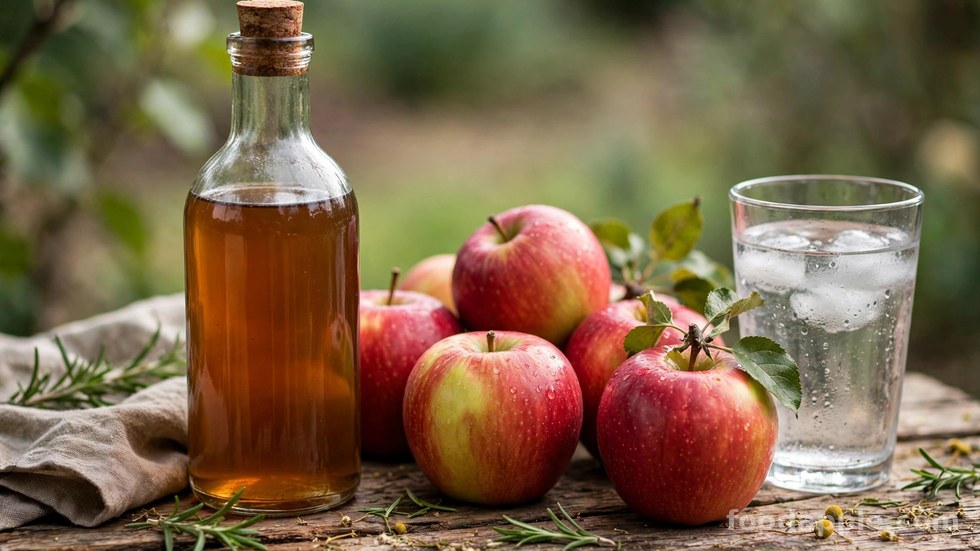
Gout is one of the most painful forms of arthritis — a sudden, red-hot swelling, often in the big toe, that can make even a bedsheet feel unbearable. With interest in natural remedies growing, many people ask whether apple cider vinegar (ACV) can help with uric acid and gout. In this article, we separate fact from hype: what gout actually is, what science says (and does not say) about ACV’s role, how to use it safely if you choose to try it, and the proven strategies that genuinely lower uric acid.
- Understanding Gout and Uric Acid
- Apple Cider Vinegar and Uric Acid: What the Research Says
- The “Alkalizing” Theory Explained
- How to Use ACV for Uric Acid Support
- Proven Strategies That Actually Lower Uric Acid
- What to Avoid When You Have Gout
- Frequently Asked Questions
Understanding Gout and Uric Acid
Uric acid is a waste product formed when the body breaks down purines, substances found in your own cells and in foods like red meat, organ meats, and some seafood. Healthy kidneys flush most uric acid out in urine. When the body makes too much or excretes too little, uric acid builds up in the blood — a condition called hyperuricemia.
In gout, excess uric acid forms needle-shaped crystals in the joints, triggering an intense inflammatory attack — typically sudden, often at night, with severe pain, redness, and swelling, most famously in the big toe.
Risk factors include obesity, high blood pressure, kidney disease, certain medications (like diuretics), and a diet heavy in alcohol, red meat, and sugary drinks — especially fructose-sweetened beverages, which raise uric acid production.
Apple Cider Vinegar and Uric Acid: What the Research Says
Here is the honest answer first: no high-quality clinical trial has shown that apple cider vinegar lowers uric acid or treats gout in humans. The claims circulating online are based on indirect evidence and folk tradition, not gout-specific research.
What exists is a patchwork of suggestive findings. Vinegar’s acetic acid has influenced fat metabolism and inflammation markers in some animal studies, and test-tube research shows antioxidant properties. These overlaps fuel the theory — but they are far from proof.
One often-cited mechanism is blood sugar control: fructose and insulin resistance both raise uric acid levels, and ACV has modest evidence for blunting post-meal glucose spikes. For more on that mechanism, see our article on how ACV helps in controlling blood sugar levels naturally.
The “Alkalizing” Theory Explained
A popular claim is that ACV “alkalizes” the body, dissolving uric acid crystals. Let us unpack this carefully.
It is true that ACV has an alkaline-forming effect on urine after metabolism, and more alkaline urine can help the kidneys excrete uric acid. However, the effect of a tablespoon or two of vinegar is small compared to medical alkalinizing treatments.
Another misunderstanding: the body’s blood pH is tightly regulated by the lungs and kidneys and is not meaningfully changed by drinking vinegar. ACV will not “dissolve” crystals already lodged in joints — crystal dissolution requires sustained uric acid lowering over months, usually with medication.
So while the alkaline theory contains a grain of truth, ACV is not a substitute for gout treatment — at best a small dietary addition within a much bigger plan.
How to Use ACV for Uric Acid Support
If your doctor is on board and you want to add ACV to your routine, do it safely:
- Dose: 1–2 tablespoons of raw, unfiltered ACV diluted in a full glass of water, once or twice daily.
- Timing: Many people take it before meals; consistency matters more than the exact hour.
- Make it palatable: Add lemon juice and a little honey. Lemon is itself alkalizing in the body and vitamin C may modestly help uric acid excretion.
- Protect your teeth: Rinse with plain water afterward; consider drinking through a straw.
- Do not stop prescribed medication: Urate-lowering drugs like allopurinol keep flares away and protect your joints. ACV is not a replacement — stopping medication can trigger severe flares.
People managing joint issues may also be interested in our balanced look at apple cider vinegar for joint pain and arthritis: fact or fiction.
Proven Strategies That Actually Lower Uric Acid
Unlike ACV, these approaches have solid evidence behind them:
- Take prescribed urate-lowering medication: Allopurinol or febuxostat, taken daily, are the most effective way to keep uric acid below the crystal-forming threshold. Discuss target levels with your doctor.
- Lose excess weight gradually: Obesity is a major gout risk factor. Even modest weight loss lowers uric acid — but avoid crash diets, which can temporarily raise it.
- Stay well hydrated: Drinking plenty of water helps the kidneys flush uric acid. Aim for pale-yellow urine as a rough guide.
- Eat cherries or drink tart cherry juice: Several studies link cherry intake to fewer gout flares, possibly through anti-inflammatory and uric-acid-lowering effects.
- Choose low-fat dairy: Milk and yogurt are associated with lower uric acid levels and may protect against gout.
- Limit alcohol, especially beer: Alcohol interferes with uric acid excretion, and beer adds purines on top.
What to Avoid When You Have Gout
Alongside helpful habits, steer clear of these common pitfalls:
- High-purine feasts: Organ meats, anchovies, sardines, and large servings of red meat are the classic flare triggers.
- Dehydration: Hot weather, illness, or heavy exercise without fluids can concentrate uric acid and precipitate a flare.
- Crash dieting and fasting: Rapid weight loss and fasting release purines from breaking down tissue, which can spike uric acid temporarily.
- Unproven “cures”: Be wary of any product claiming to dissolve gout crystals overnight. If it sounds too good to be true, it is.
- Skipping medication during remission: Feeling fine between flares does not mean uric acid is controlled — silent crystal deposits may still be damaging joints.
Frequently Asked Questions
Does apple cider vinegar lower uric acid levels?
There is no clinical evidence that ACV directly lowers uric acid in humans. Any potential benefit would be indirect and far smaller than proven treatments. Do not rely on ACV to control gout.
Can apple cider vinegar dissolve gout crystals?
No. Dissolving urate crystals requires keeping blood uric acid low for months, which is achieved with urate-lowering medication, not vinegar. ACV cannot meaningfully change blood pH or dissolve existing crystal deposits.
How should I take ACV if I have gout?
If your doctor approves, 1–2 tablespoons diluted in a full glass of water, once or twice daily, is the standard approach. Always dilute it, never stop prescribed gout medication, and treat ACV as a minor dietary addition rather than a treatment.
Are there risks of taking ACV with gout medication?
ACV can lower potassium and may interact with diuretics, which some gout patients take for blood pressure. Mention ACV use to your doctor so they can check for interactions with your specific medications.
What is the fastest way to relieve a gout flare naturally?
Rest and ice the joint, stay hydrated, and avoid alcohol. Anti-inflammatory medication (as advised by your doctor) is the proven way to shorten a flare — see a doctor promptly, since untreated flares can last weeks and repeated flares damage joints.