
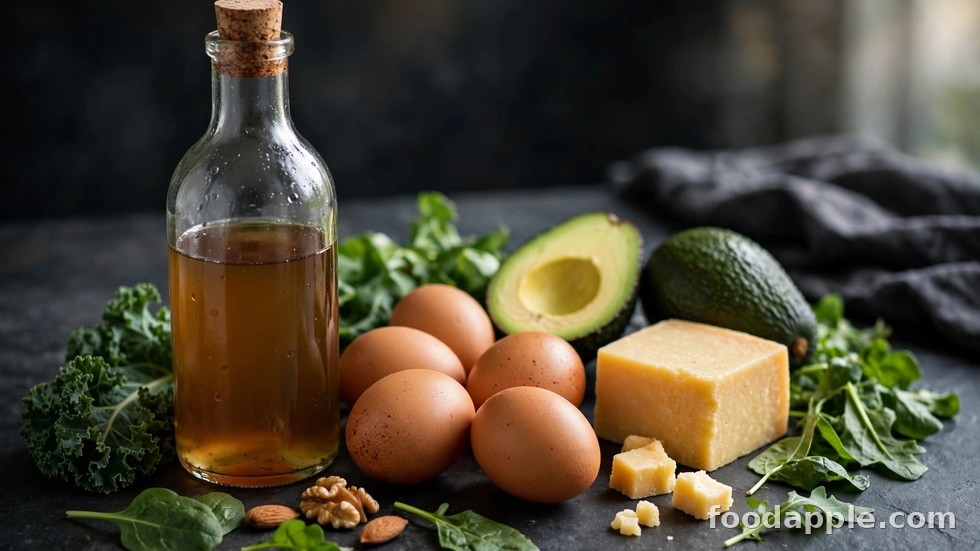
The keto diet and apple cider vinegar are two of the most talked-about health trends of the decade — so naturally, people want to combine them. But does ACV actually fit a ketogenic lifestyle? Can it help you get into ketosis faster, control keto cravings, or smooth out the dreaded “keto flu”?
In this guide, we cover whether ACV is keto-friendly, the science behind how it may support low-carb diets, its effects on blood sugar and appetite, the best ways to use it on keto, and the mistakes to avoid. Everything a keto dieter needs to know about vinegar in one place.
Table of Contents
- Is Apple Cider Vinegar Keto-Friendly?
- How ACV Supports a Keto Diet
- Does ACV Help You Get Into Ketosis?
- ACV, Blood Sugar, and Insulin on Keto
- Best Ways to Use ACV on Keto
- Common Mistakes to Avoid
- Frequently Asked Questions
Is Apple Cider Vinegar Keto-Friendly?
Yes — apple cider vinegar is fully keto-friendly. A tablespoon of ACV contains roughly 0–1 grams of carbohydrates and essentially zero sugar, since fermentation consumes nearly all the apple sugars. It will not kick you out of ketosis.
One caution: flavored or sweetened vinegar drinks sold in stores often contain added sugars or fruit juice that can add 5–15 grams of carbs per bottle — enough to matter on strict keto. Always check labels, and stick to plain raw ACV that you flavor yourself.
ACV gummies are a different story — most contain added sugars and are best avoided on keto. Liquid it is.
How ACV Supports a Keto Diet
ACV does not just “fit” keto — it actively complements it in several ways:
- Appetite control: Acetic acid slows stomach emptying and increases satiety, making it easier to stick to keto’s calorie targets without feeling deprived.
- Craving reduction: By stabilizing blood sugar, ACV helps prevent the glucose dips that trigger carb cravings — the number one keto killer.
- Better fat digestion: The acidity of ACV may support bile flow and digestive enzyme activity, helpful when your diet suddenly becomes very high in fat.
- Flavor without carbs: ACV adds bright, tangy flavor to dressings, marinades, and drinks — fighting the blandness that makes people quit keto.
- Potential metabolic support: Animal studies suggest acetic acid influences fat metabolism genes in the liver, though human evidence is still early.
Does ACV Help You Get Into Ketosis?
Let us clear up a popular myth: ACV does not directly cause ketosis. Ketosis happens when carbohydrate intake drops low enough that the liver starts converting fat into ketones. No supplement — vinegar included — can shortcut that metabolic switch.
What ACV can do is make the transition easier. By blunting blood sugar swings and reducing hunger, it helps you stick to the low carb intake that produces ketosis. Think of it as removing obstacles on the road to ketosis, not as a shortcut.
Some keto advocates also note that acetate — a breakdown product of acetic acid — can be used as an alternative fuel by the brain and muscles, potentially easing the energy dip some people feel during the first week of keto adaptation.
ACV, Blood Sugar, and Insulin on Keto
This is where ACV genuinely shines for keto dieters. Multiple human studies show that vinegar consumed with or before meals reduces post-meal blood sugar and insulin spikes by up to 20–30% in some trials.
On keto, keeping insulin low is the entire game — insulin blocks fat burning and ketone production. Even the small carb amounts in keto meals (from vegetables, nuts, or dairy) trigger some insulin, and ACV helps minimize that response.
Practical tip: take 1 tablespoon of diluted ACV 15–20 minutes before your largest meal of the day. This timing showed the strongest blood-sugar benefits in research.
Best Ways to Use ACV on Keto
Beyond the basic diluted drink, here are keto-friendly ways to make ACV a daily habit:
- Keto ACV tonic: 1 tbsp ACV + sparkling water + squeeze of lemon + a few drops of liquid stevia + ice — a tangy soda replacement
- Electrolyte drink: Add ACV to water with a pinch of salt and potassium salt — helps with keto flu mineral losses
- Fatty salad dressings: Whisk ACV with olive oil, mustard, and herbs — the classic keto delivery vehicle
- Meat marinades: ACV tenderizes meat and adds flavor without carbs
- Warm morning drink: ACV + warm water + cinnamon + ginger — comforting and carb-free
- Pickled vegetables: Quick-pickle cucumbers, radishes, or green beans in ACV for crunchy zero-carb snacks
Common Mistakes to Avoid
- Drinking it undiluted: Keto or not, straight ACV damages teeth and burns the throat — always dilute
- Buying sweetened “ACV drinks”: Bottled tonics can hide 10+ grams of sugar per serving
- Expecting miracles: ACV supports keto; it does not replace carb restriction, the actual driver of ketosis
- Overdoing the dose: More than 2 tablespoons daily increases side-effect risk without added benefit
- Using ACV to “cancel out” cheats: A vinegar shot does not undo a carb binge — ketosis still breaks
- Ignoring electrolytes: ACV is not an electrolyte replacement; keto still requires deliberate sodium, potassium, and magnesium intake
Frequently Asked Questions
Will apple cider vinegar break my fast on keto?
No. Plain ACV has virtually zero calories (about 3 per tablespoon) and negligible carbs, so it will not meaningfully break a fast. Many intermittent fasters on keto drink diluted ACV during fasting windows to curb hunger.
Can ACV help with keto flu?
Indirectly. Keto flu is mainly caused by electrolyte loss and dehydration. ACV mixed with water, salt, and a potassium source makes a palatable homemade electrolyte drink — but the relief comes from the minerals and hydration, not the vinegar itself.
How much ACV should I drink daily on keto?
The same as anyone else: 1–2 tablespoons per day, diluted in water. There is no keto-specific higher dose with proven benefit, and exceeding it only raises the risk of digestive upset and enamel erosion.
Is white vinegar okay on keto instead of ACV?
Yes, carb-wise — white vinegar is also essentially zero-carb. But it lacks the mother, polyphenols, and beneficial compounds of raw ACV, so you miss the extra nutritional value. For keto purposes both “fit,” but raw ACV offers more.