
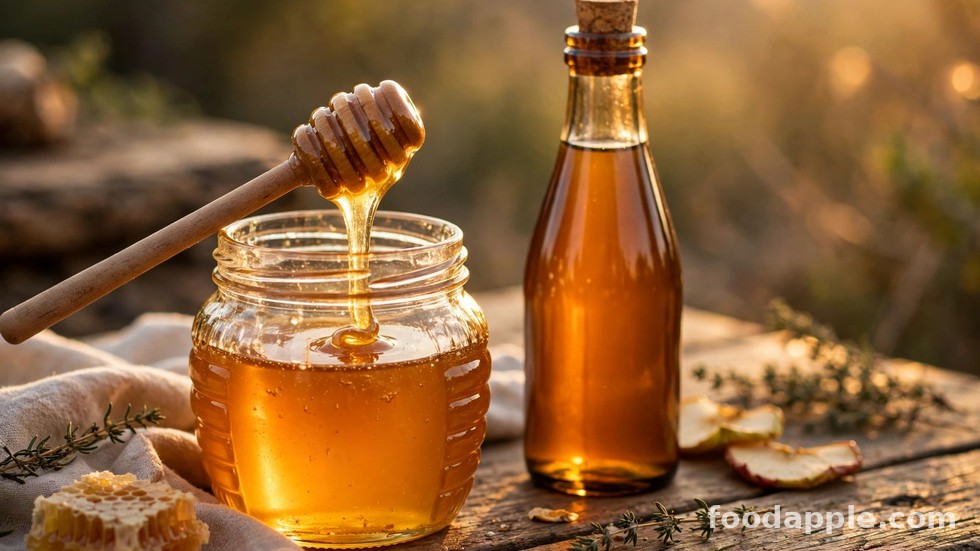
Two of nature’s oldest remedies — raw honey and apple cider vinegar — have each been used for thousands of years. But what happens when you combine them? Fans of this power combo claim it soothes sore throats, supports digestion, boosts immunity, and even helps with weight management. Some of these claims hold up; others need a closer look.
In this article, we examine the real health benefits of honey and apple cider vinegar together, what science says about each ingredient, the best ways to combine them (including 3 easy recipes), proper dosages, and the safety caveats you need to know before making it a daily habit.
Table of Contents
- Why Combine Honey and ACV?
- 7 Health Benefits of the Honey-ACV Combo
- What Science Says (and Doesn’t)
- 3 Easy Honey-ACV Recipes
- Proper Dosage and Timing
- Choosing the Right Honey
- Safety Caveats and Side Effects
- Frequently Asked Questions
Why Combine Honey and ACV?
On their own, each ingredient brings something valuable. ACV provides acetic acid, which research links to improved blood sugar control, modest appetite suppression, and antimicrobial effects. Raw honey offers antioxidants, natural antibacterial properties, and a soothing effect on irritated throats.
Together, they solve each other’s biggest problem: taste. ACV alone is harsh and sour; honey rounds it into something genuinely pleasant to drink daily. And honey’s own benefits — cough relief, wound healing support, prebiotic sugars — complement ACV’s metabolic effects rather than canceling them.
7 Health Benefits of the Honey-ACV Combo
1. Soothes sore throats and coughs
This is the combo’s strongest traditional use. Honey coats and calms irritated throat tissue — it’s actually recommended by the WHO as a demulcent for coughs — while ACV’s acidity creates an inhospitable environment for microbes. Warm honey-ACV water is a time-tested comfort remedy.
2. Supports healthy digestion
ACV before meals may support stomach acid levels for breaking down food, while honey’s natural oligosaccharides act as prebiotics that feed beneficial gut bacteria. Together they make a gentle digestive tonic.
3. Helps moderate blood sugar spikes
Here’s the clever part: studies show vinegar blunts post-meal glucose rises. Pairing honey’s natural sugars with ACV may reduce the glycemic impact compared to honey alone — though the drink still contains sugar and isn’t “free” for diabetics.
4. Provides antioxidants
Raw honey contains flavonoids and phenolic compounds; raw ACV contains polyphenols from apples. The combination delivers a modest antioxidant boost that helps combat oxidative stress.
5. May support weight management
ACV has been linked to slightly increased fullness in small trials. Replacing a sugary soda with a honey-ACV drink cuts significant calories while satisfying a sweet craving — the real weight-loss mechanism here is substitution, not magic.
6. Natural antimicrobial action
Both ingredients show antibacterial properties in lab studies — honey against wound pathogens, ACV’s acetic acid against foodborne bacteria. As a gargle or throat drink, the combo is a sensible traditional choice during cold season.
7. Supports skin health from within
Anecdotal reports link the daily tonic to clearer skin, possibly via better digestion and antioxidant intake. Evidence is indirect, but the drink’s hydration and nutrient profile certainly don’t hurt.
What Science Says (and Doesn’t)
Let’s be honest: no clinical trial has tested honey and ACV combined. The evidence is borrowed from studies of each ingredient separately — and those are modest. Vinegar’s blood sugar and satiety effects come from small trials; honey’s cough and antibacterial benefits are better established.
Claims that the combo “alkalizes the body,” “melts fat,” or “cures arthritis” have no scientific basis. Treat this as a pleasant, mildly beneficial tonic — not a medicine.
3 Easy Honey-ACV Recipes
Classic Morning Tonic
- 1 tablespoon raw ACV + 1 teaspoon raw honey in 8 oz warm water
- Stir until honey dissolves; drink 15–20 minutes before breakfast
Sore Throat Soother
- 1 tablespoon ACV + 2 teaspoons honey + a squeeze of lemon in warm water
- Add a pinch of cayenne for extra warming kick; sip slowly or gargle
Iced Honey-ACV Refresher
- 1 tablespoon ACV + 1 teaspoon honey + sparkling water over ice
- Add fresh mint or ginger slices; a healthy soda replacement
Proper Dosage and Timing
Stick to 1–2 tablespoons of ACV and 1–2 teaspoons of honey per day, always diluted in a full glass of water. Once daily — morning or before your largest meal — is enough. More honey means more sugar (about 21 calories and 6g sugar per teaspoon), so don’t overdo the sweetener chasing better taste.
Choosing the Right Honey
Use raw, unfiltered honey — processing destroys many beneficial enzymes and antioxidants. Manuka honey offers the strongest antibacterial credentials but costs far more; for a daily tonic, a good local raw honey is the sweet spot of value and quality. Avoid “honey-flavored syrups,” which are just sugar.
Safety Caveats and Side Effects
- Never give honey to infants under 12 months — risk of botulism
- Diabetics: count the honey’s sugar in your carb budget; monitor glucose
- Allergies: those allergic to bee products or pollen should avoid honey
- Teeth: the combo is acidic and sugary — use a straw and rinse with water
- Medication interactions: ACV can lower potassium and affect diuretics and insulin
Frequently Asked Questions
Can I drink honey and ACV every day?
Yes, for most healthy adults, one daily serving (1 tbsp ACV + 1 tsp honey in water) is safe long-term. Keep the honey modest to limit sugar intake, and take occasional breaks to reassess whether you still find it beneficial.
Does honey cancel out ACV’s benefits?
No — a teaspoon of honey doesn’t neutralize ACV’s acetic acid. Interestingly, vinegar may blunt the blood sugar impact of honey’s sugars. Just keep the honey amount small so the drink stays low in sugar overall.
Is the honey-ACV combo good for weight loss?
It can help indirectly: it may increase fullness slightly, and swapping it for sugary drinks cuts calories. But the drink itself isn’t a fat burner — sustainable weight loss still comes down to overall diet and activity.
Can diabetics drink honey and apple cider vinegar?
With caution. ACV may help moderate blood sugar, but honey is still sugar. Diabetics should count the carbs, use minimal honey, monitor glucose levels, and check with their doctor — especially if on insulin or sulfonylureas.